Waterless
No water supply, no sewage connection, no excavation required
Across sub-Saharan Africa—home to nearly half the world’s people without a toilet—hundreds of millions defecate in the open. In Nigeria, where sanloop works, that is 54 million people out of 230 million. In Kenya, 5 million out of 56 million. For women, this is not merely inconvenient. It is dangerous: harassment, assault, and rape happen at night, in the dark, outside. The standard response—community toilets—does not solve this. A shared facility is not safe at night. It is not clean. It is not yours. The MDDT is a household toilet: private, lockable, owned and managed by the woman who uses it. No water supply, no sewage connection, no shared key. That is what makes it a dignity technology, not just a sanitation solution. It is not a compromise. It is a leap past every toilet that came before it.
When there is no toilet, women bear the burden. Unsafe defecation at night, harassment, assault, children sick from waterborne disease. The absence of sanitation infrastructure is not a technical failure—it is a political one. A decision, repeated across decades, about whose needs count and whose don’t. The MDDT is a direct response to that decision.
No water supply, no sewage connection, no excavation required
Waste dried and mineralized into agricultural resource—closed-loop system
Private, lockable, owned and managed by one woman—or several units for schools and institutions.
Every MDDT is owned, operated, and maintained by the woman who received it. She controls access, she manages maintenance, she decides what happens to the resources it produces.
Ownership is not symbolic. A woman who owns her MDDT (household toilet) controls access, controls maintenance, controls the resource it produces. The Women for MDDT Network is built on that ownership—women training women, women organizing across communities, women defining what dignified sanitation means on their own terms. Not delivered to them. Owned by them. That is what makes the model scale: not us, but them.
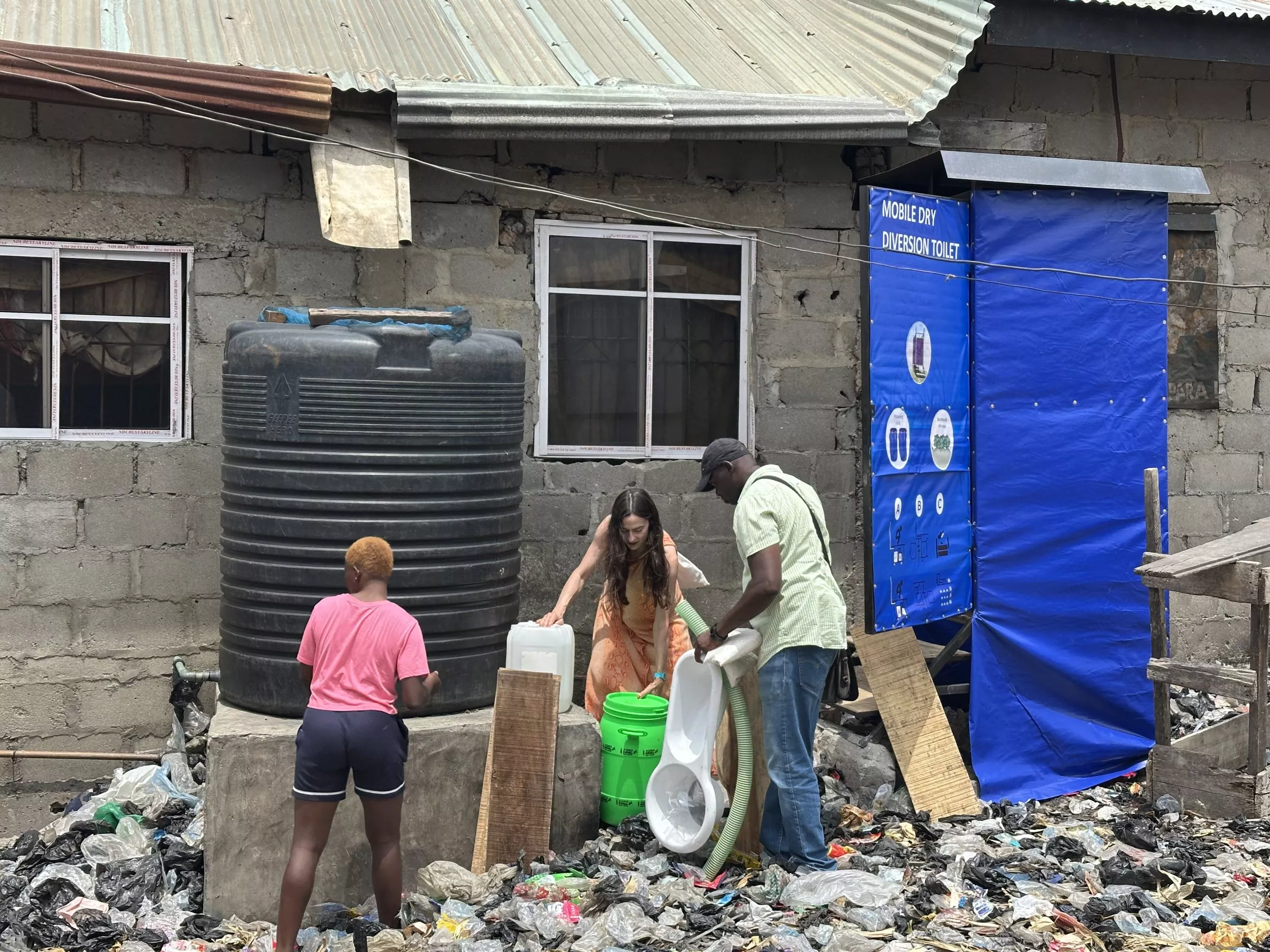
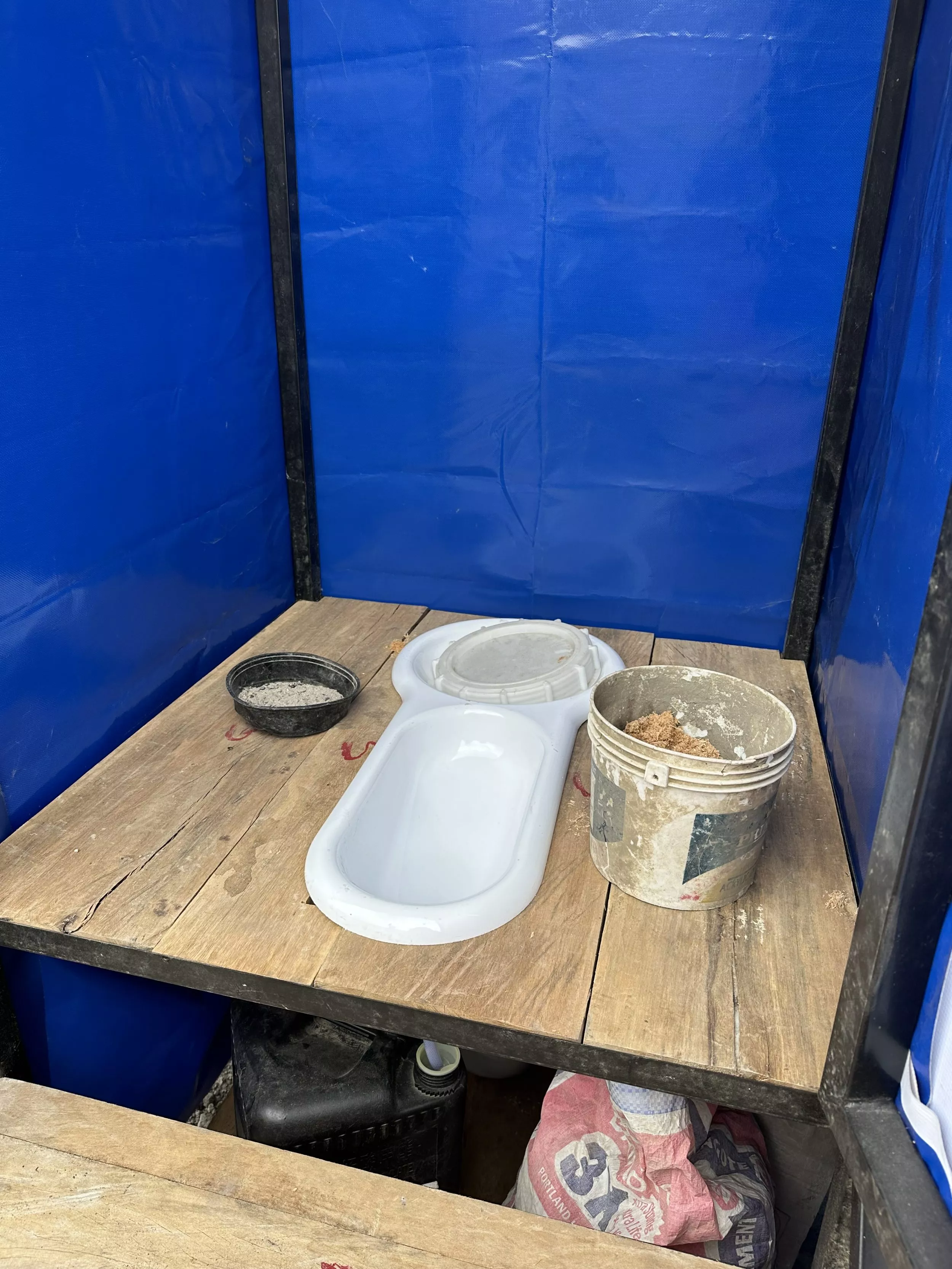
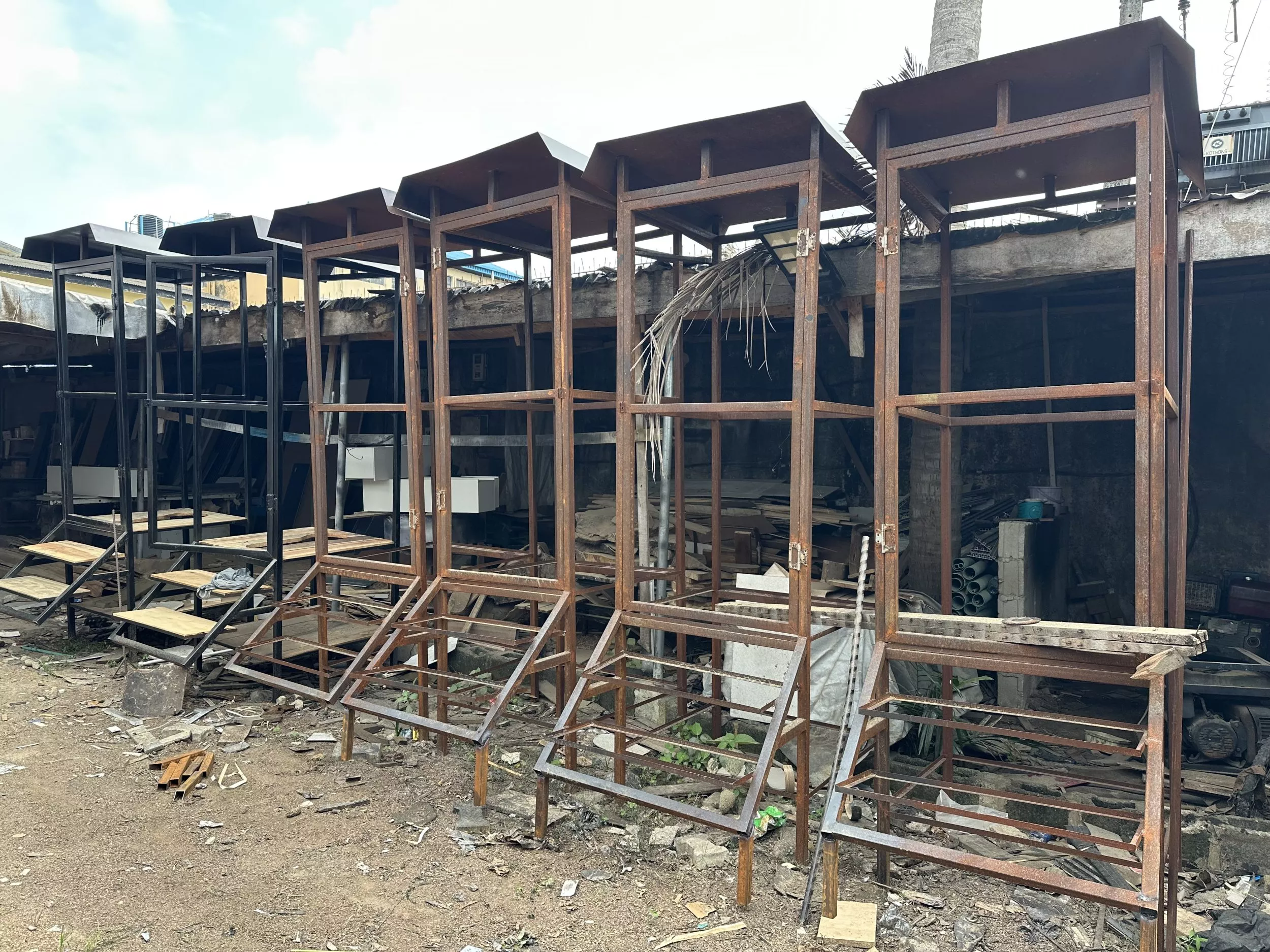
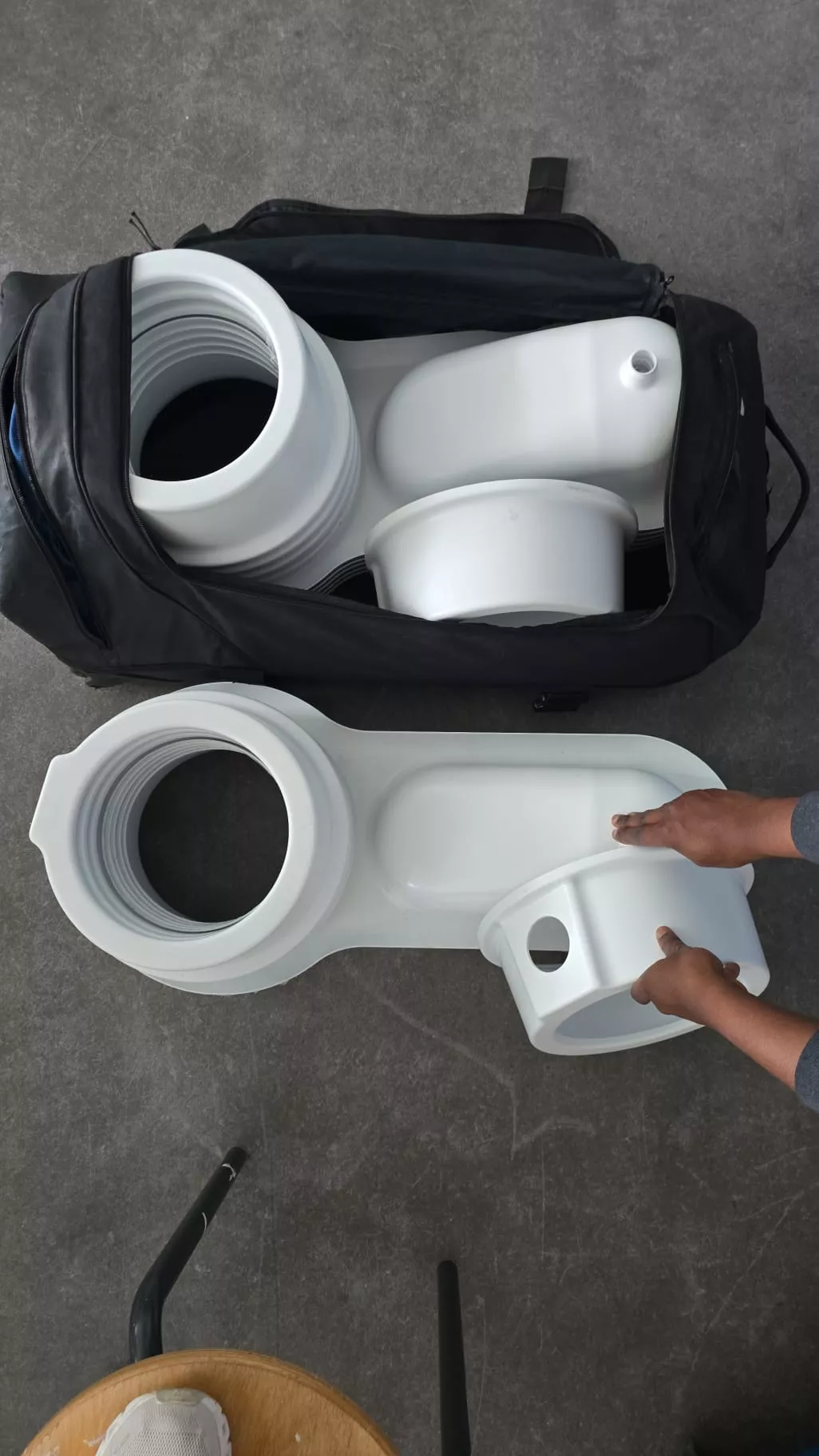
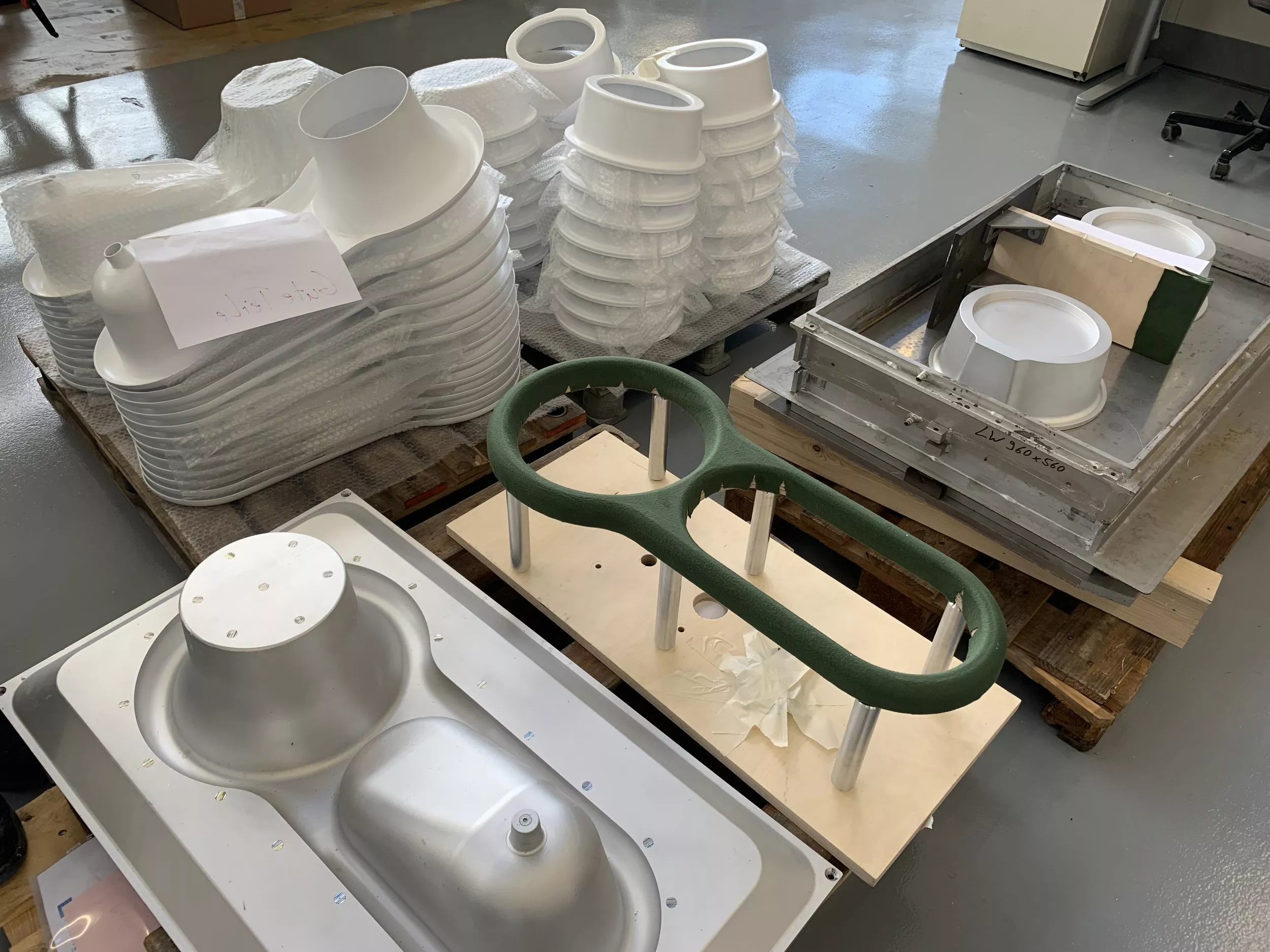
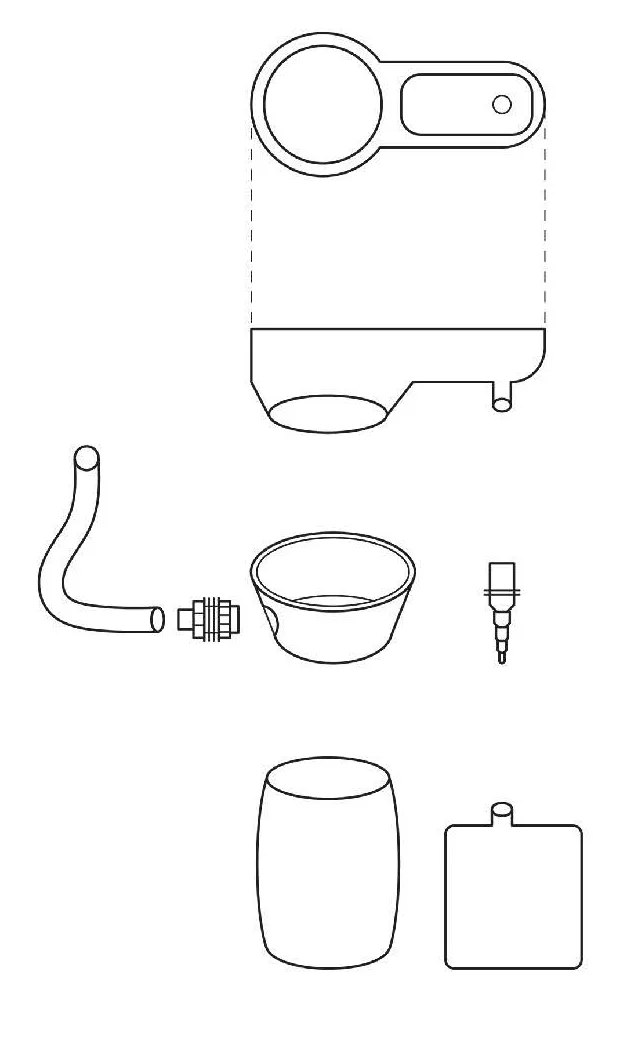
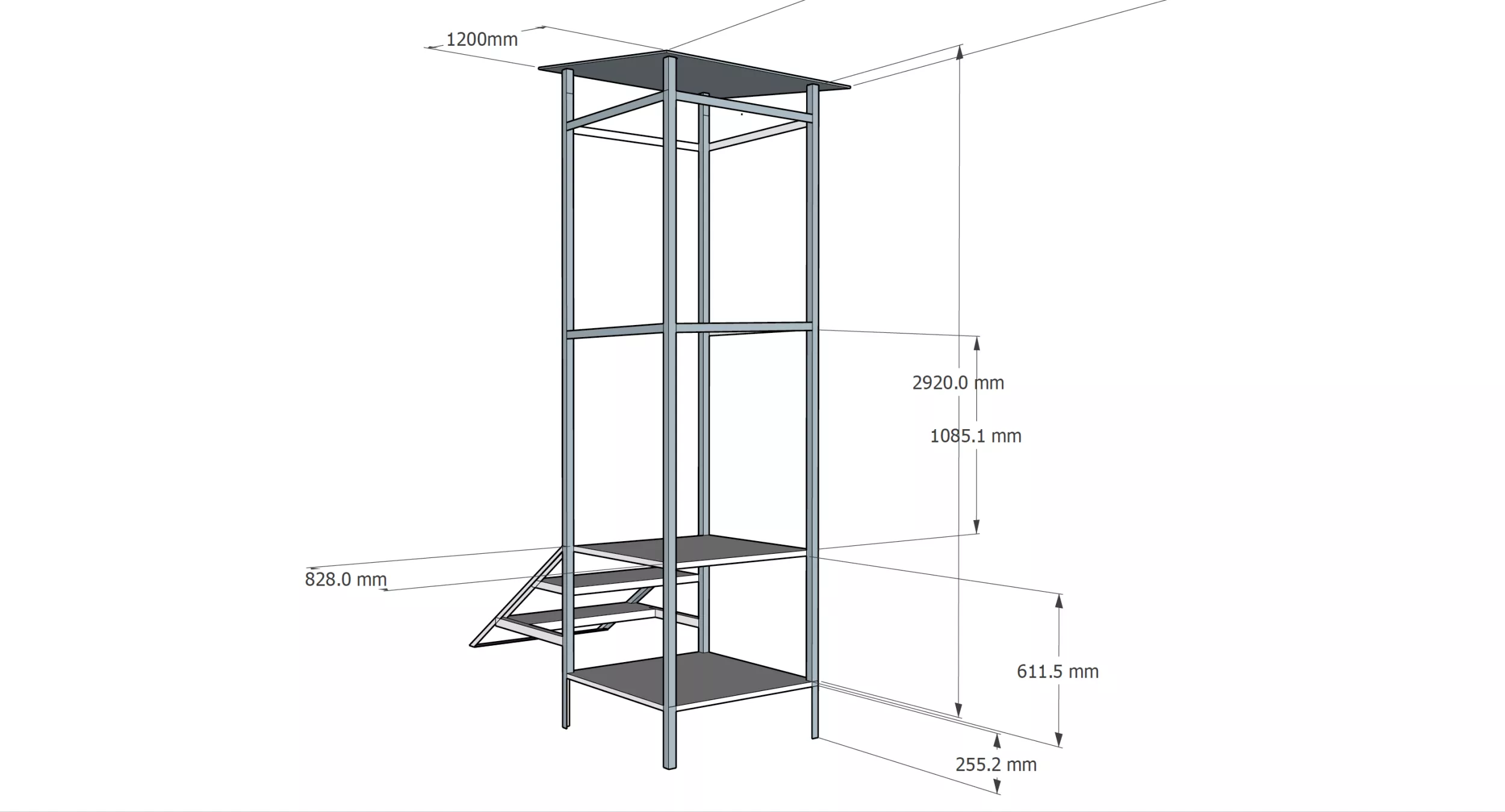
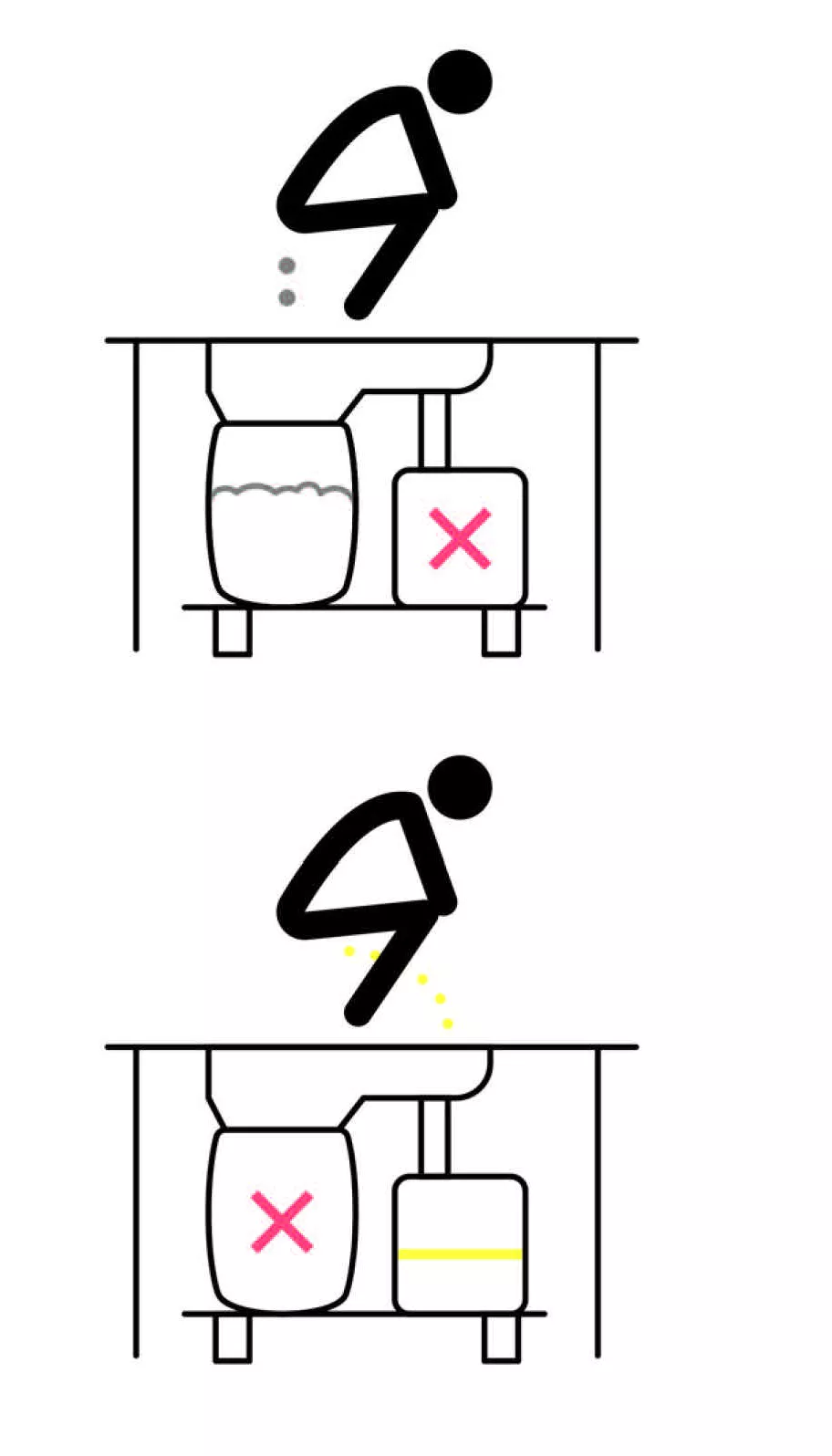
Feces are collected, heated to 70°C through strong sun and hot climate, and dried out over 6–12 months. What remains is drastically reduced mineral matter delivered to local farmers for field crops such as maize, or applied in community gardens. Urine is diverted to banana plants and vegetable gardens in the community. In Enugu-Emene, sanloop is developing a Solar Drying Facility and a Urine-to-Fertilizer Plant in collaboration with Vuna, Switzerland (scientific consultancy) and Olileanya, a local NGO in Enugu-Emene (local implementation), funded by sanloop. Olileanya is also the local implementation partner for 10 MDDTs in Enugu-Emene. The Urine-to-Fertilizer Plant will stabilize, filter, and vaporize urine—again using sun and heat. The resulting mineral matter is suitable for small-scale growing: balcony gardens, kitchen gardens, community gardens, herbs, and flowers.