A toilet a woman owns, runs, and passes on as
knowledge.
Three-Step Model
Women for MDDT Network
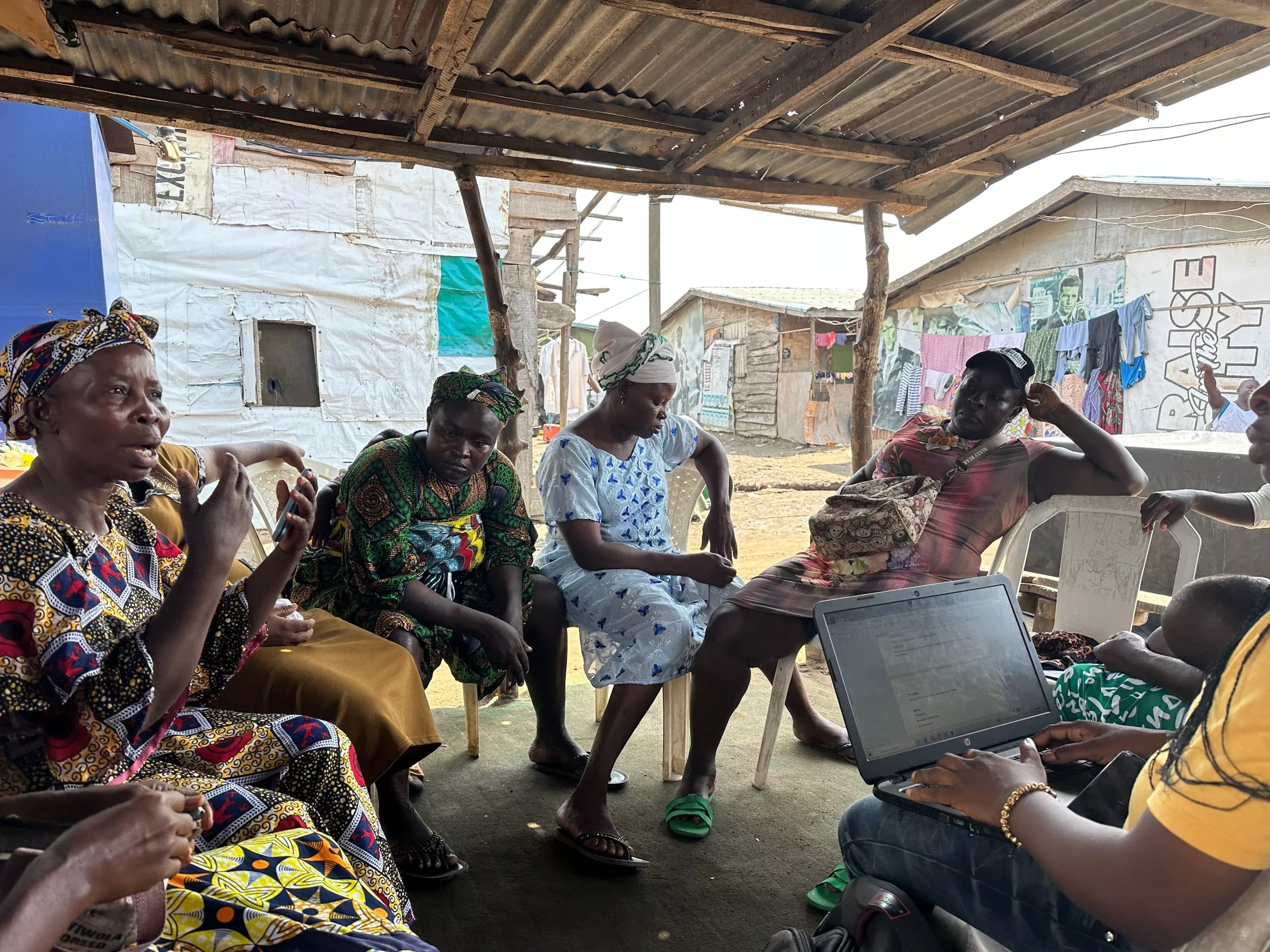
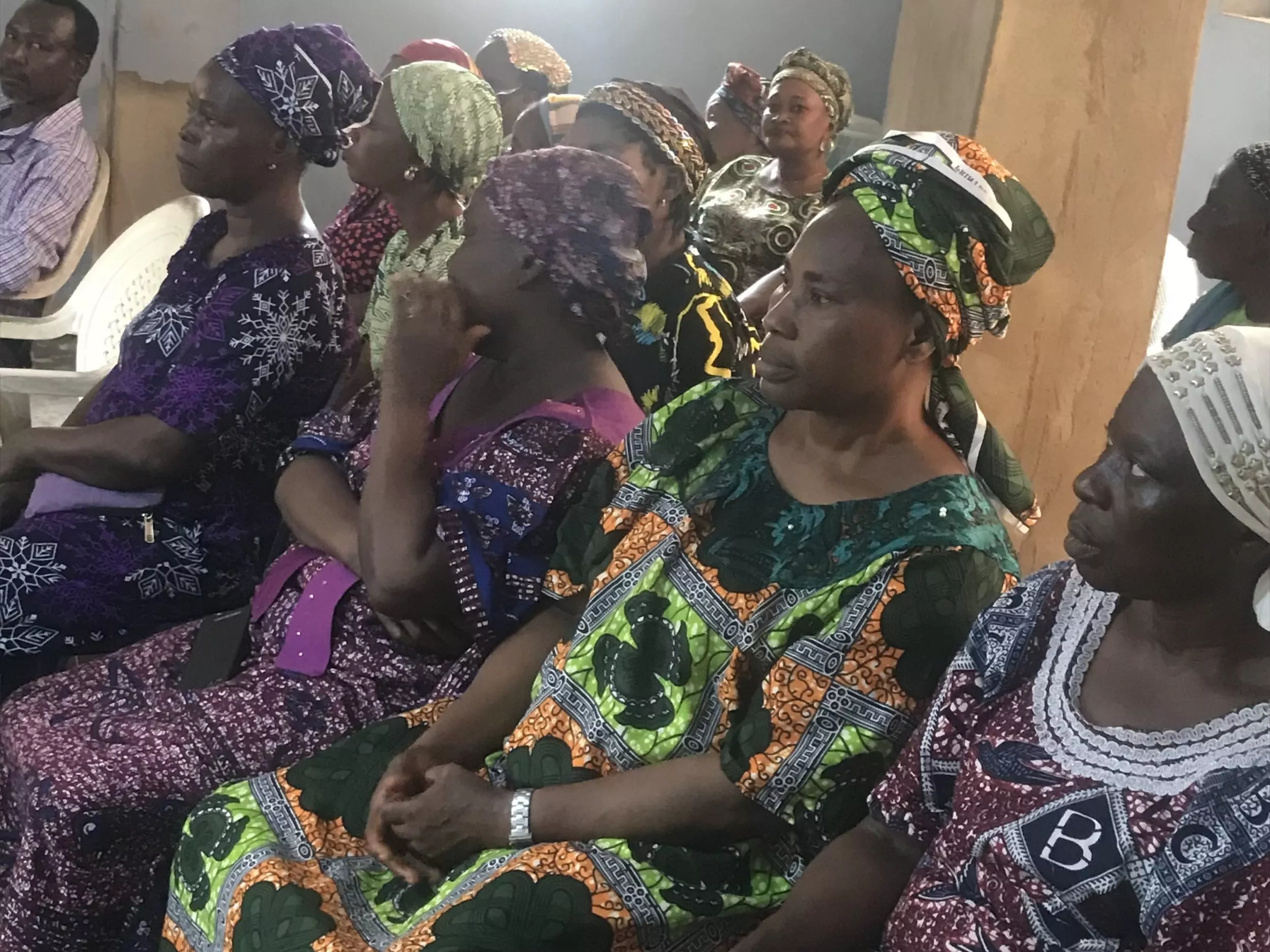
Every MDDT owner is a member. The network operates on a women-train-women model: owners share maintenance knowledge, recruit new members, and support one another across communities. sanloop organizes regular cross-community meetings so women learn directly from each other. The long-term goal is a network that organizes itself—sanloop’s role is to resource it, not to run it.
Dignity Circles
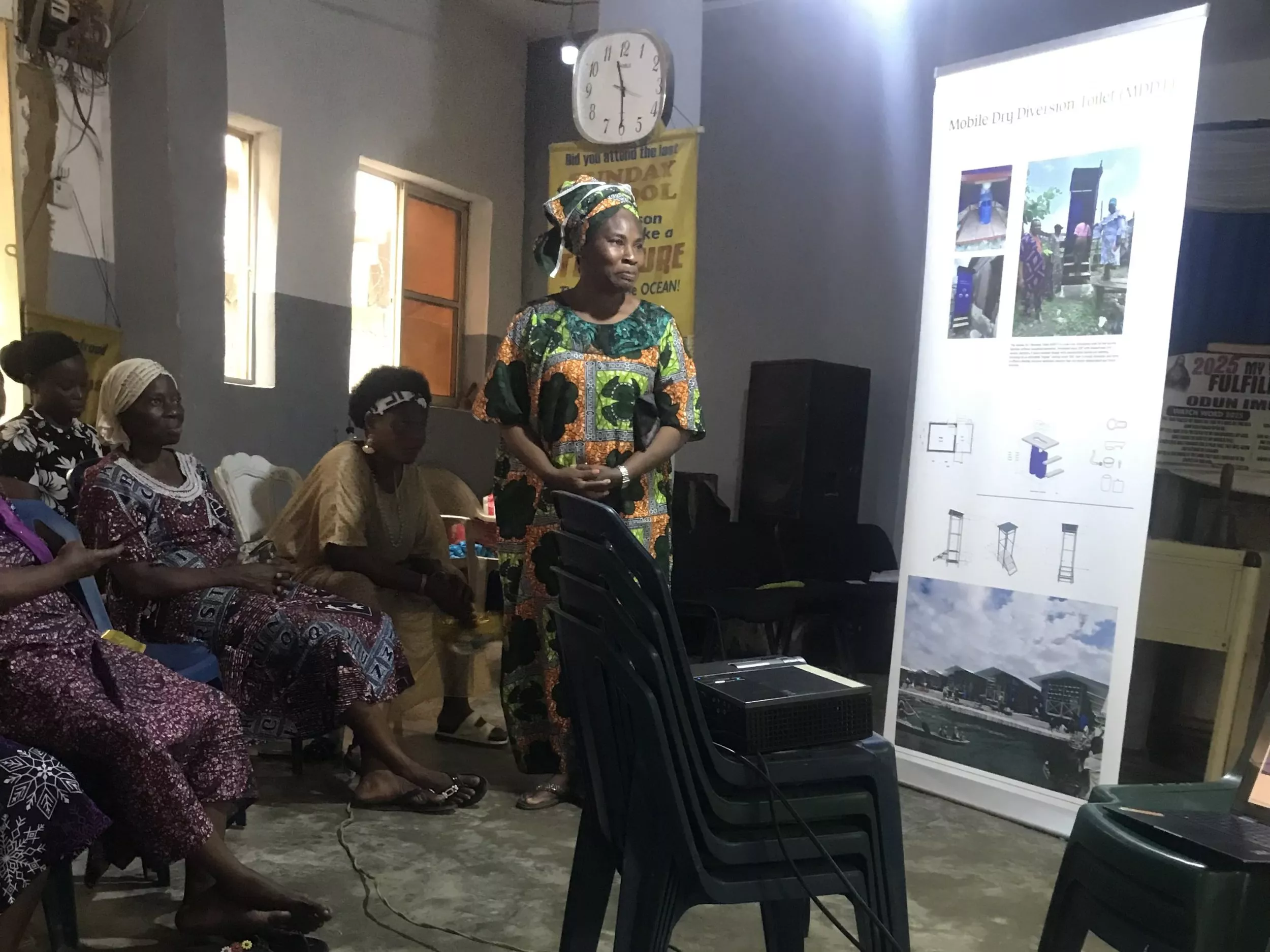
Groups of 10–15 women, the primary entry point into the MDDT model. Circles meet regularly to make collective decisions about sanitation in their community, build capacity around the technology and its maintenance, and connect sanitation to broader questions of health and dignity. Led by Ambassadors.
Ambassadors
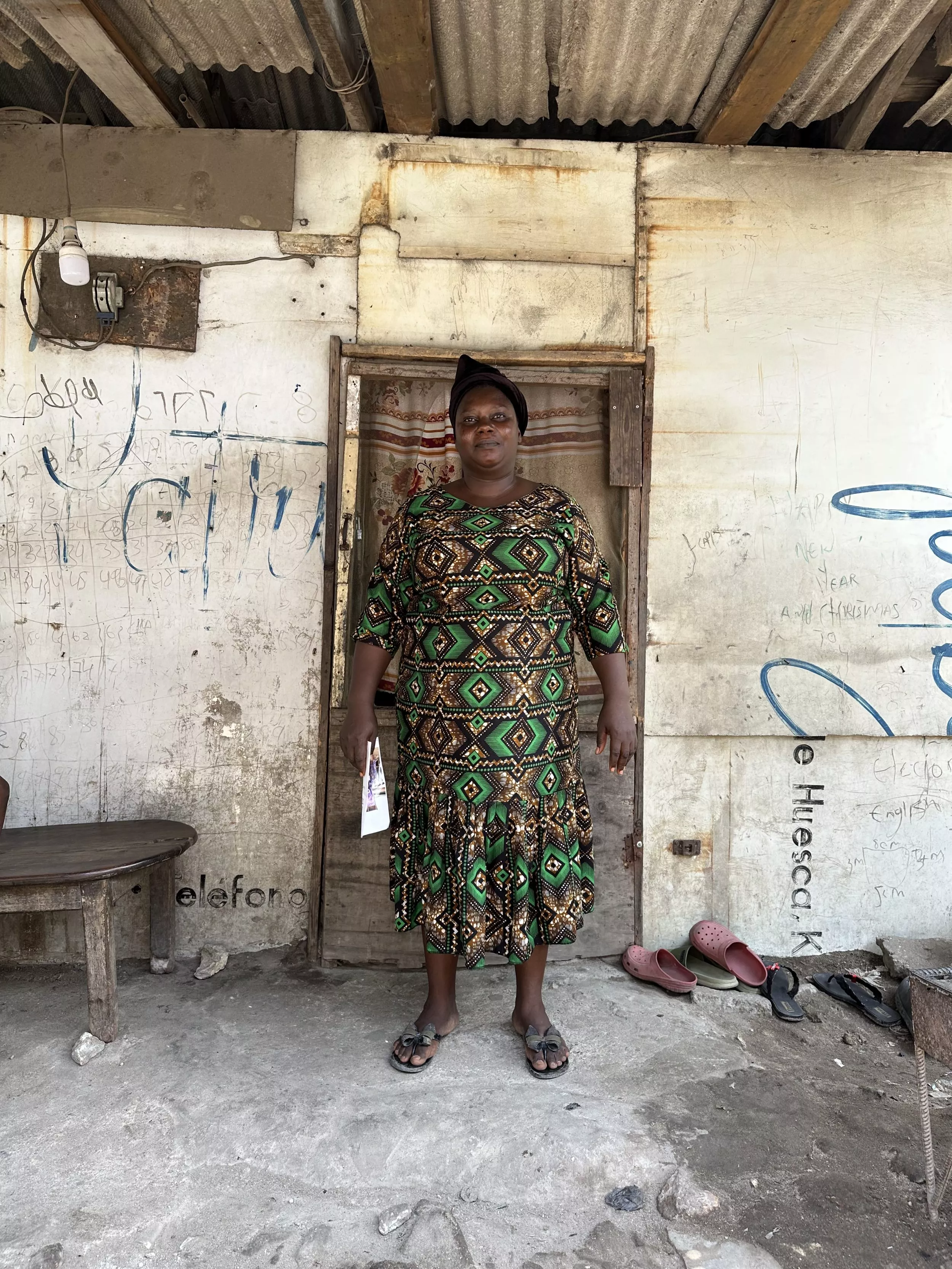
MDDT owners selected from within the Women for MDDT Network who actively recruit and support women across communities beyond their own. Currently 3 committed Ambassadors in Lagos. Ambassadors lead Dignity Circles and are the human engine through which the network grows.
This is how the MDDT multiplies—not through us, but through the women MDDT owners themselves.
Woman encounters the MDDT
Demo Day or Dignity Circle
She joins the Women for MDDT Network
Peer support, maintenance knowledge, collective voice
She becomes an Ambassador
Recruits across communities, leads Dignity Circles
Position paper
sanloop operates at the intersection of infrastructure and politics. This paper sets out how we think about that tension—specifically, how the institutional channels through which we scale (donor metrics, government partnerships, quarterly dashboards) risk transforming the feminist political character of the work they are meant to support. Feminist development scholars have documented this dynamic for decades: the moment a radical idea enters an institutional funding stream, something of its political content gets stripped away. We name this tension publicly because we believe accountability to it matters—and because we think an organization that won’t name it probably isn’t managing it.
SRF Kulturplatz, November 2025
Die Schweizer Architektin und Stadtplanerin Fabienne Hoelzel stellt mit ihrer NGO in den Slums der nigerianischen Metropole Lagos Toiletten auf. Warum? Und was kann sie damit bewirken?
Toiletten für Lagos: Ein kleines Projekt mit grosser Wirkung