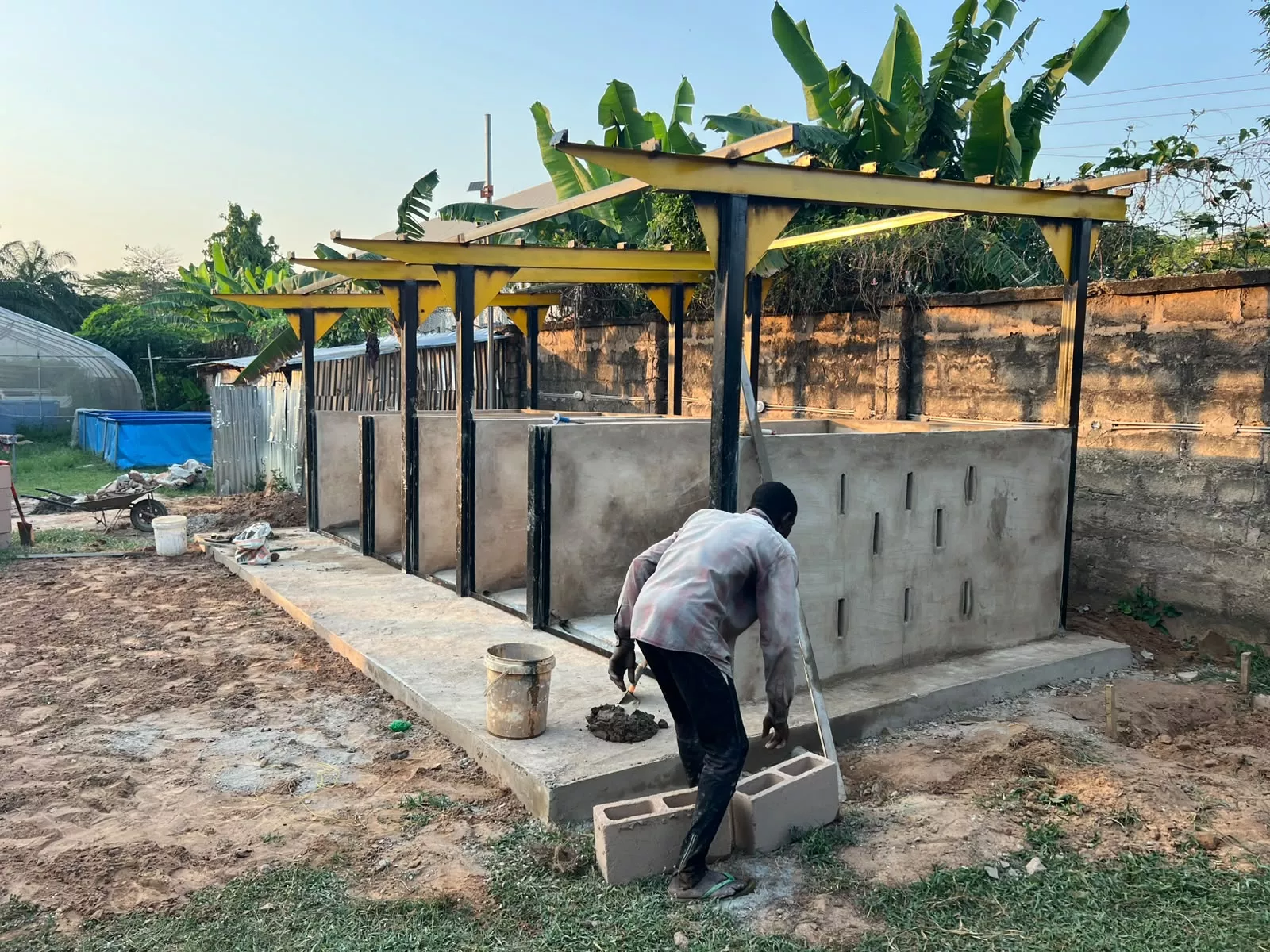
Waterless
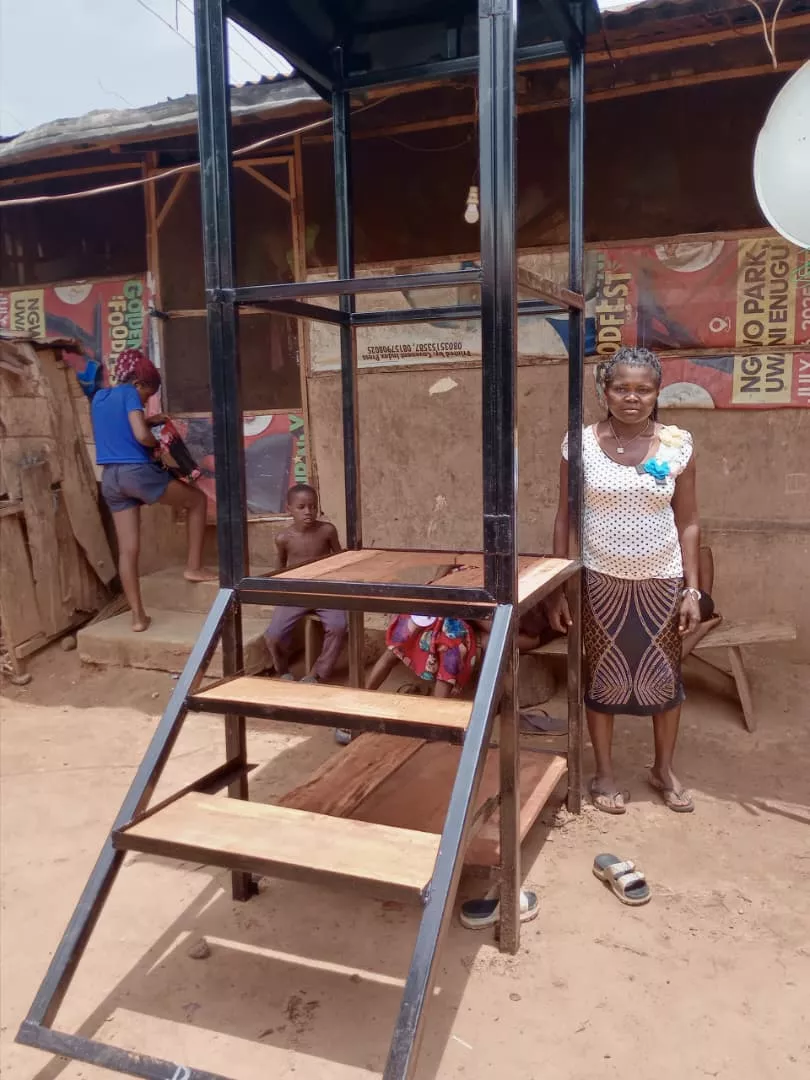
No water supply, no sewer connection, no excavation required
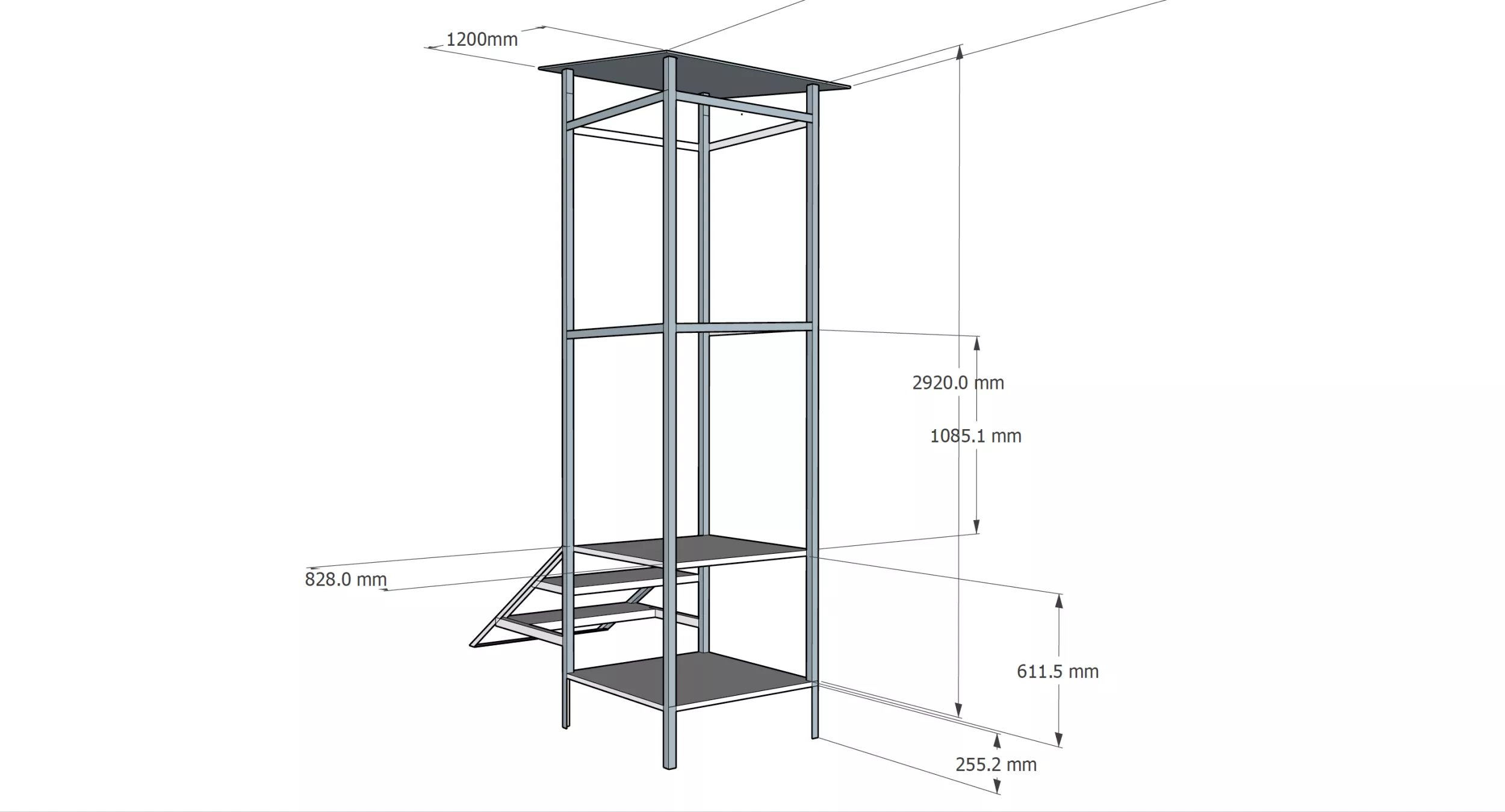
The MDDT is a waterless household toilet: private, lockable, and owned and managed by the woman who uses it. It needs no water supply, no sewer connection, and no power, so it works in neighborhoods without a sewer network. Across sub-Saharan Africa, only 7 percent of people are connected to a sewer. Shared toilets are not safe at night because of sexual harassment and the danger of rape by men. The MDDT stands in the owner’s own compound, and she controls who uses it. That is why the MDDT is a dignity technology.
Where there is no sanitation infrastructure, the state has withdrawn or has decided not to provide it. That is a decision about whose needs count. The MDDT responds to it: the woman who owns the toilet decides who uses it and how it is maintained.
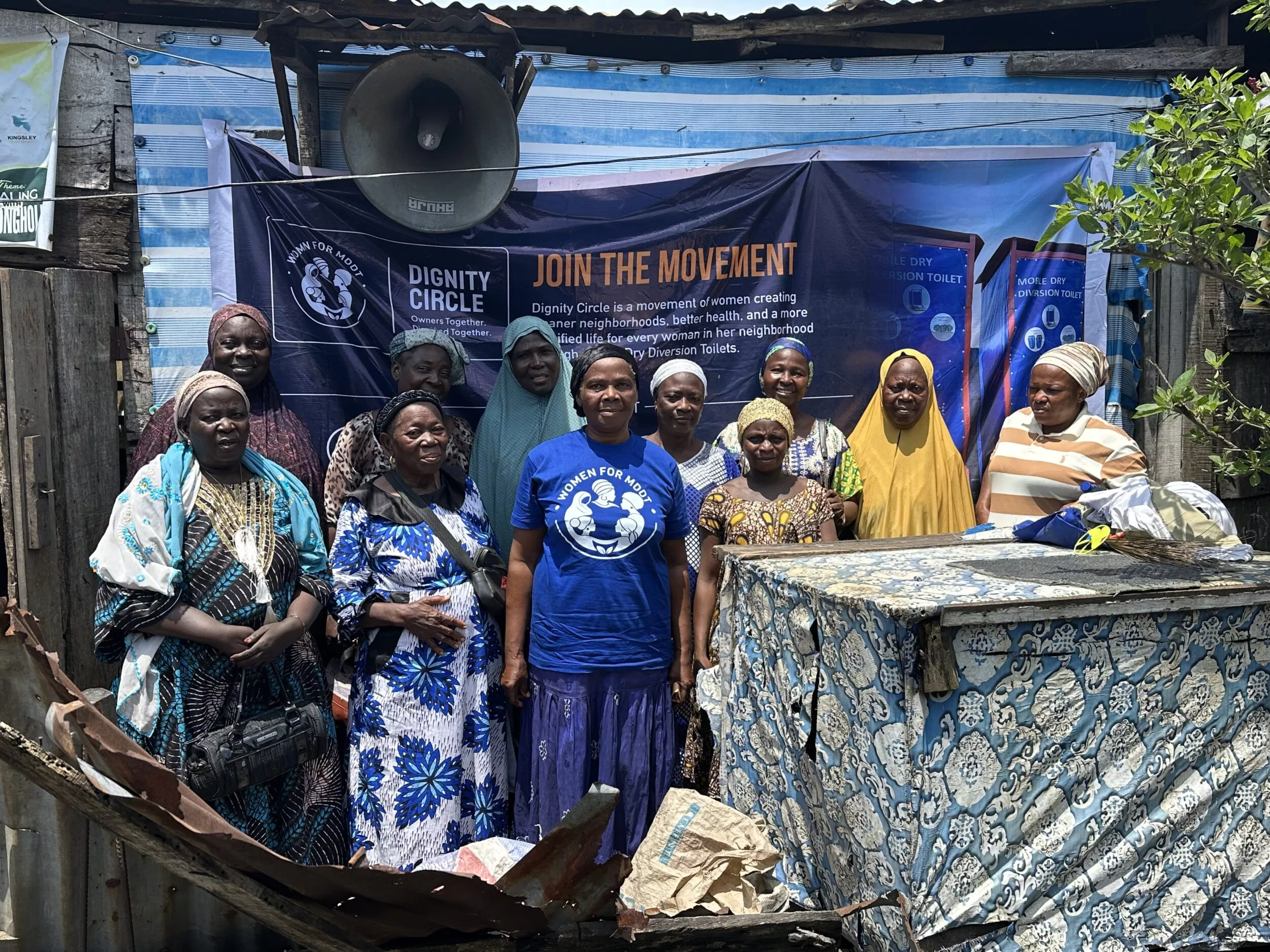
No water supply, no sewer connection, no excavation required
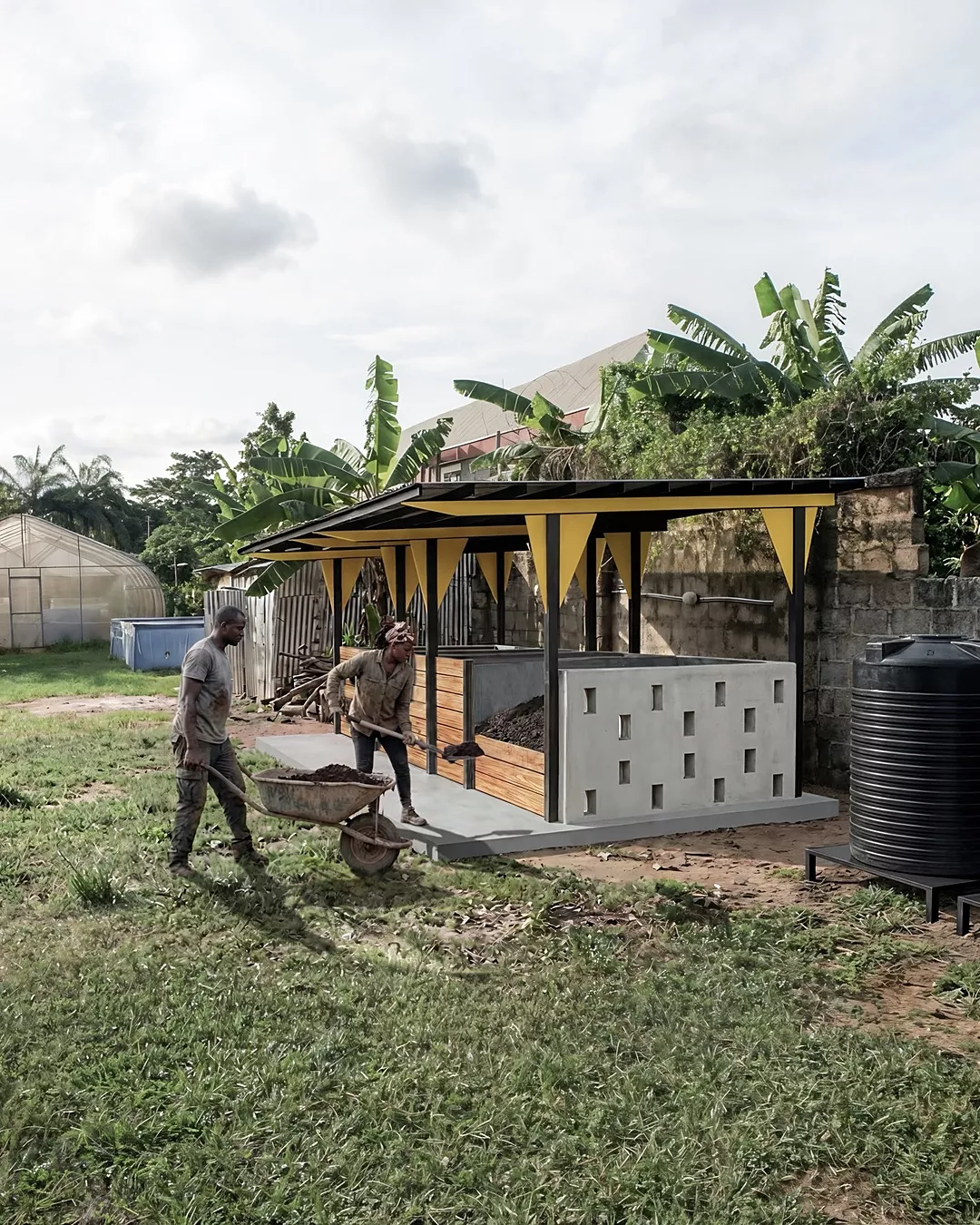
Urine and feces are composted and returned to the soil as fertilizer, with local farmers or in our own composting plants.
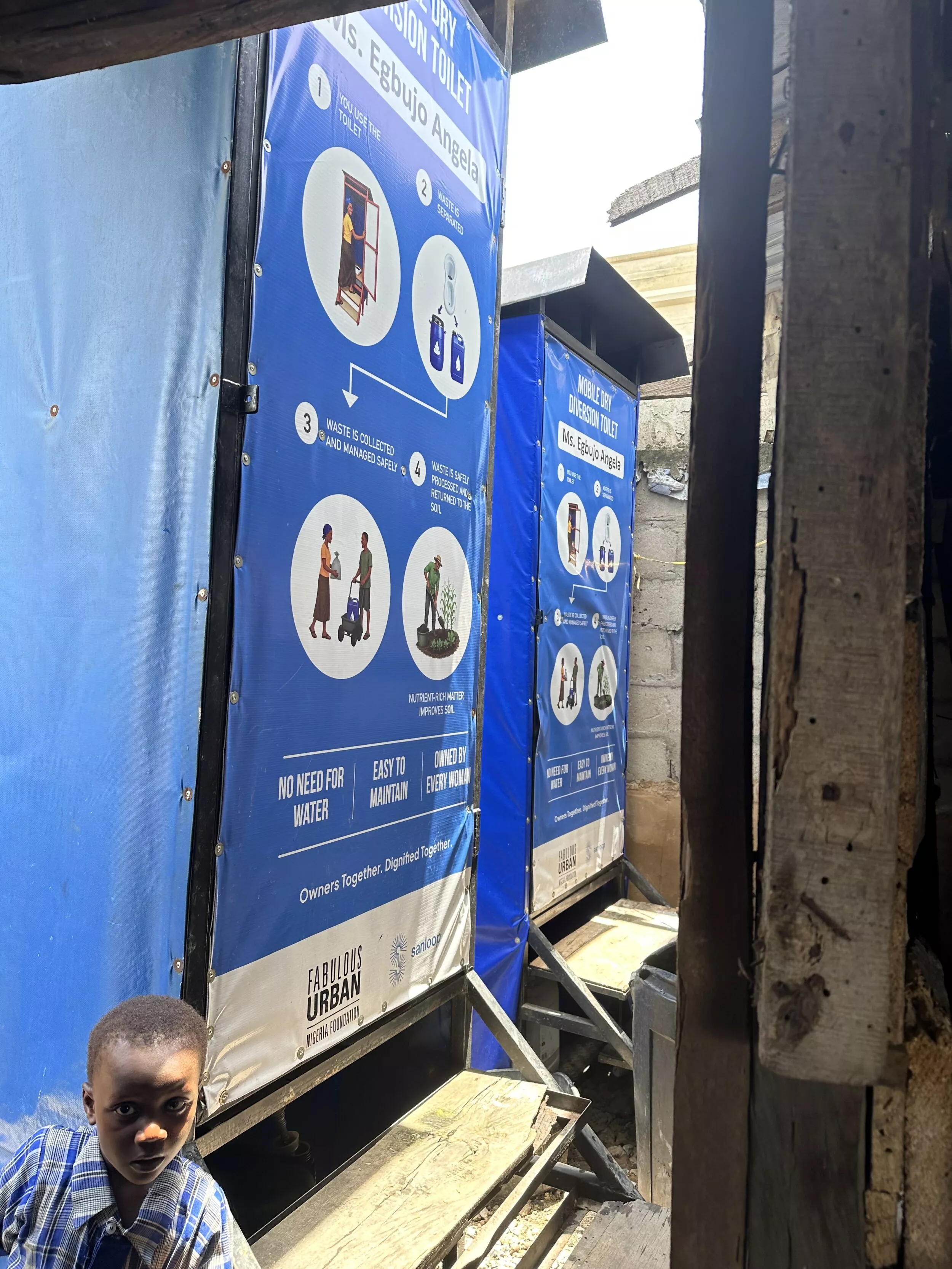
Private, lockable, owned and managed by one woman—or several units for schools and institutions.
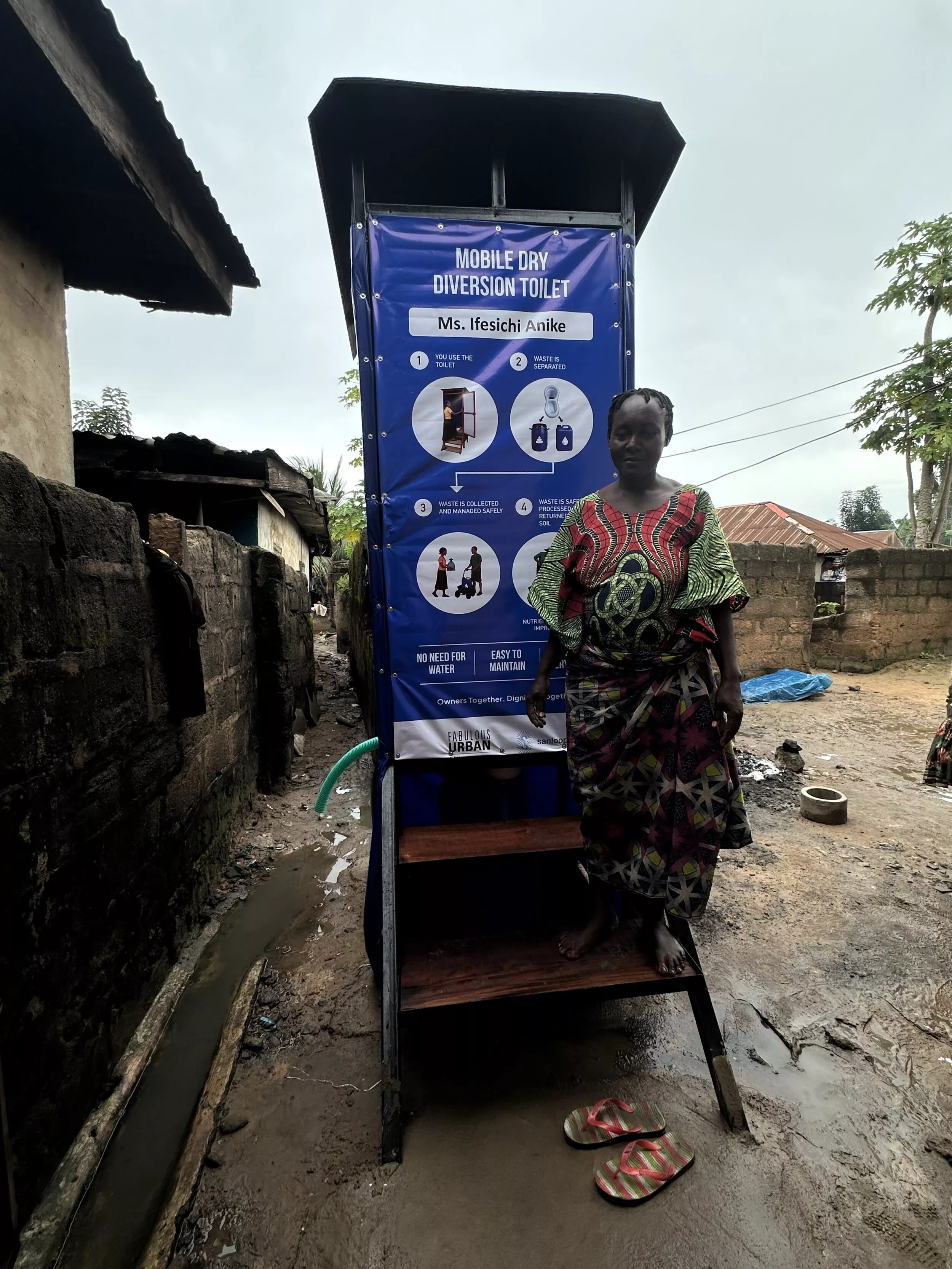
Every MDDT is owned, operated, and maintained by the woman whose name is on it.
Since 2024, every household MDDT has gone solely to a woman, with her name printed on it. She decides who uses it. Women keep the household toilet clean; ownership gives them control over it. Her name on the MDDT makes her a member of the Women for MDDT Network.
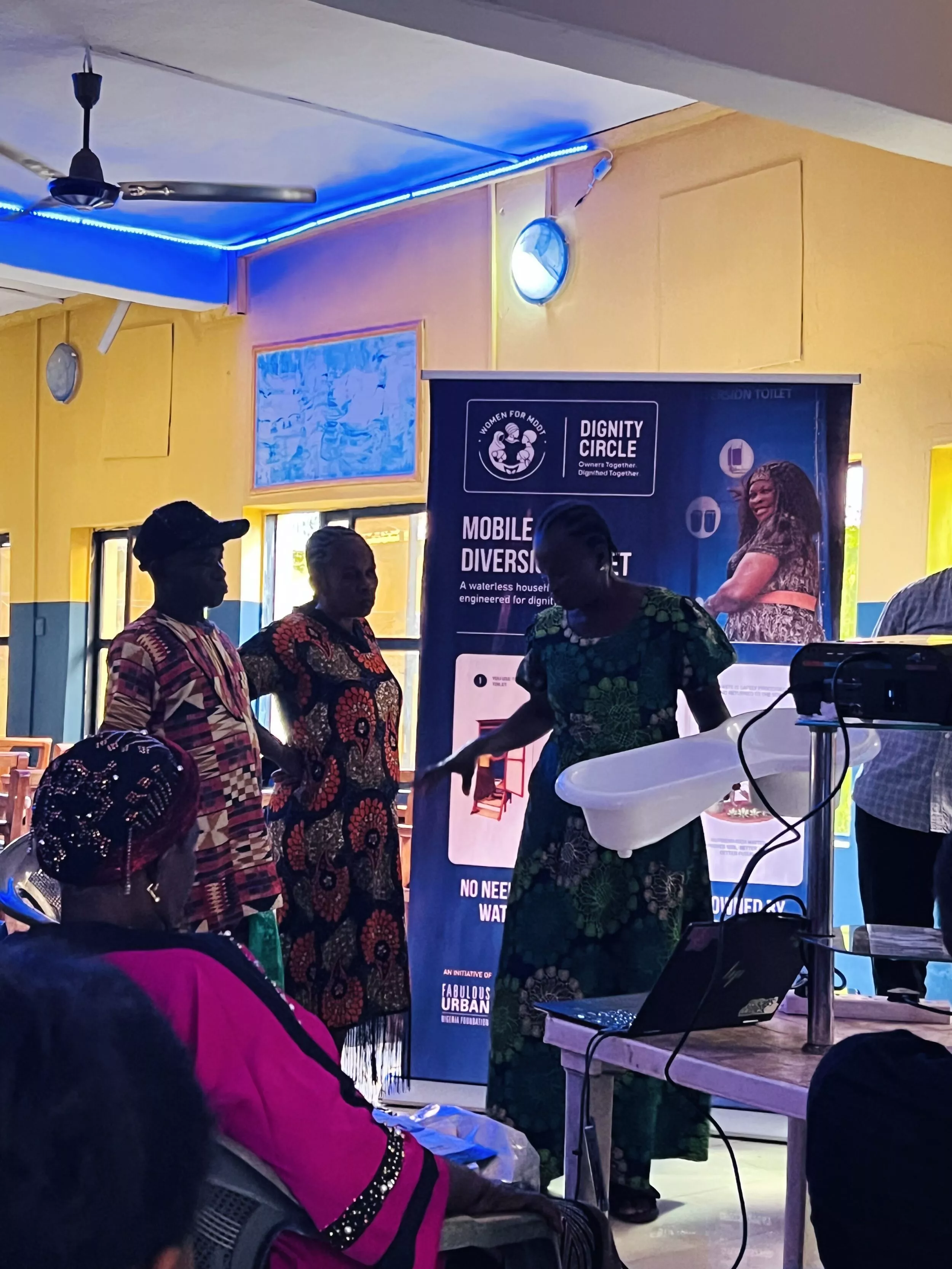
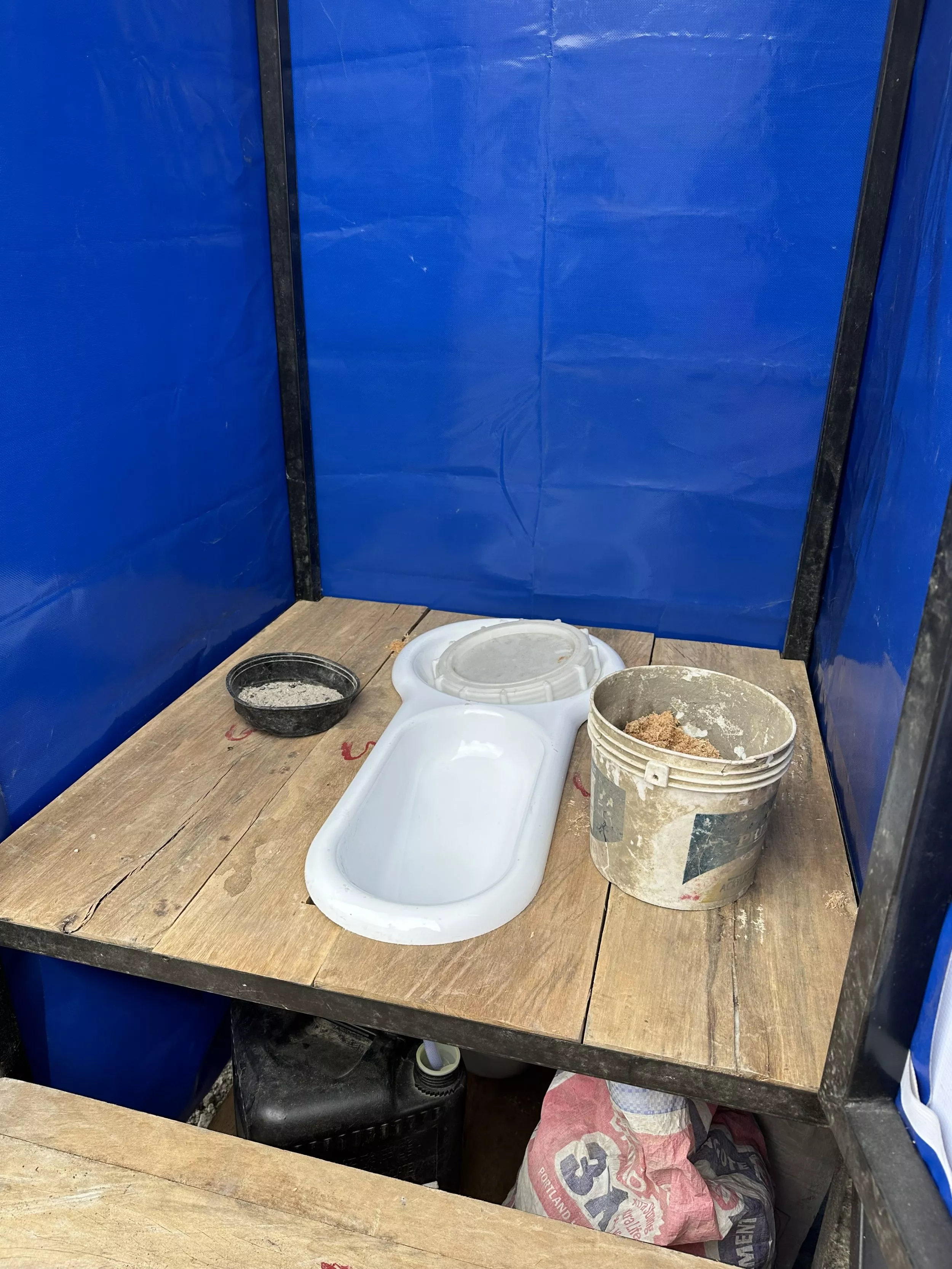
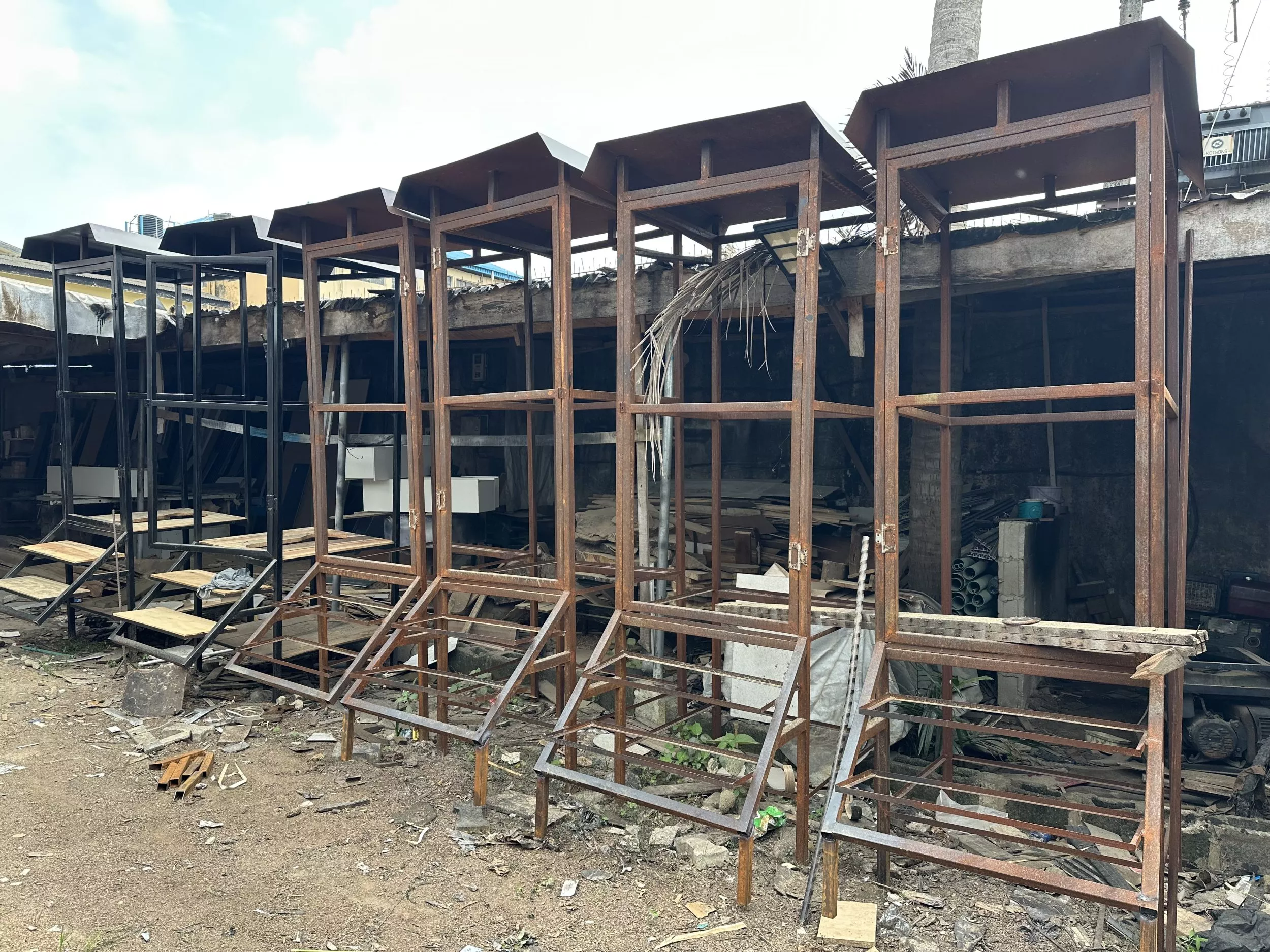
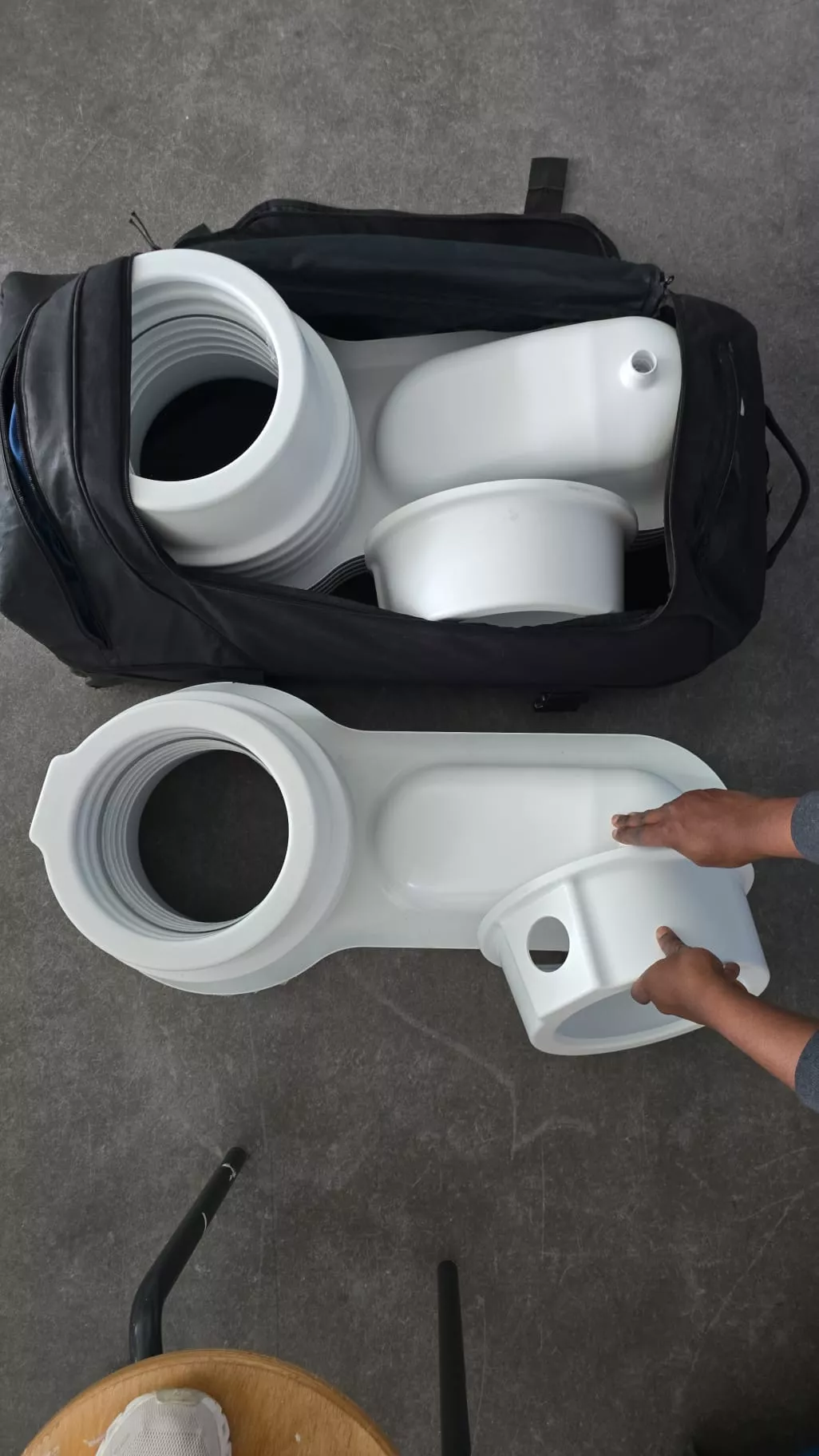
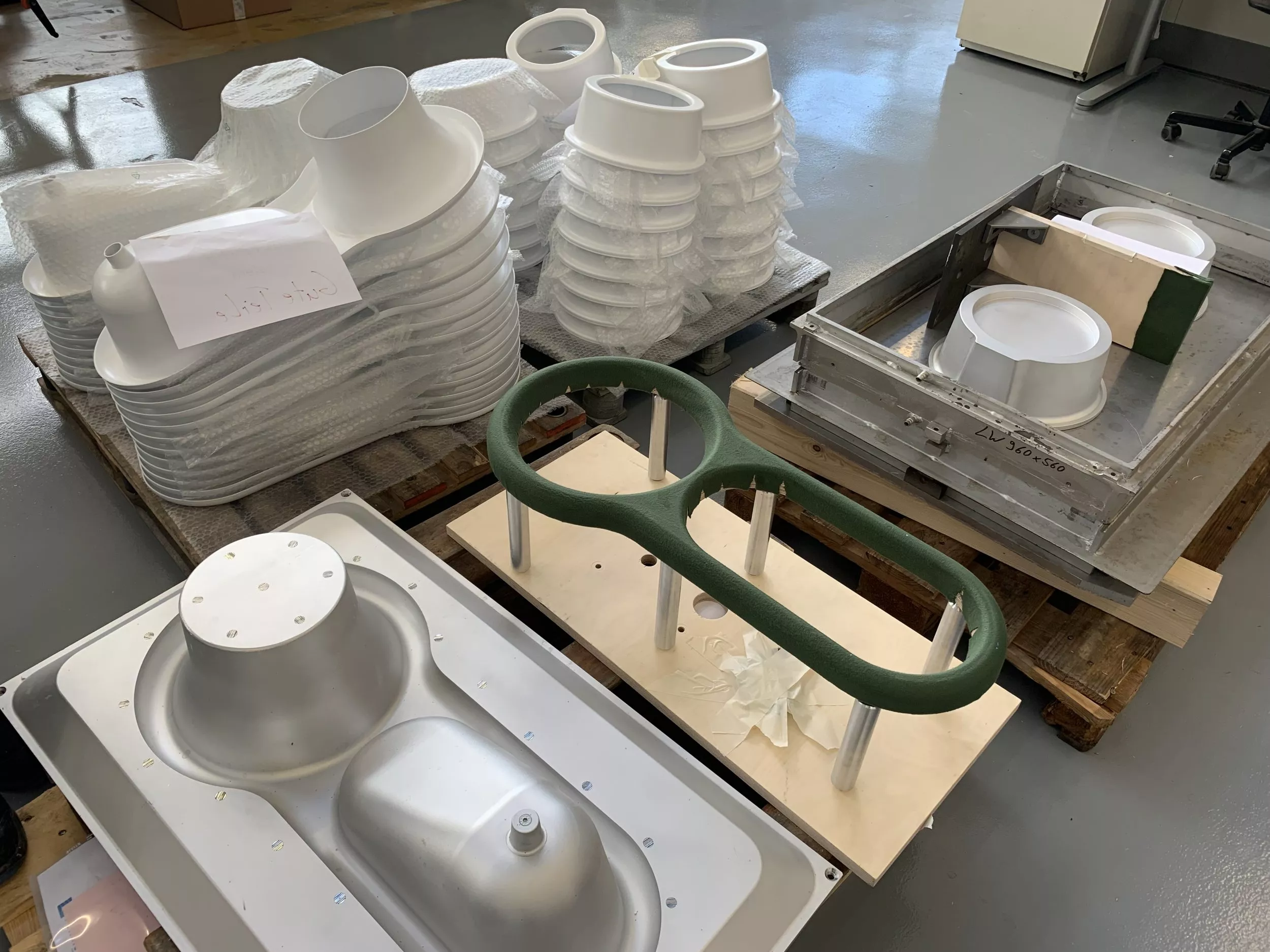
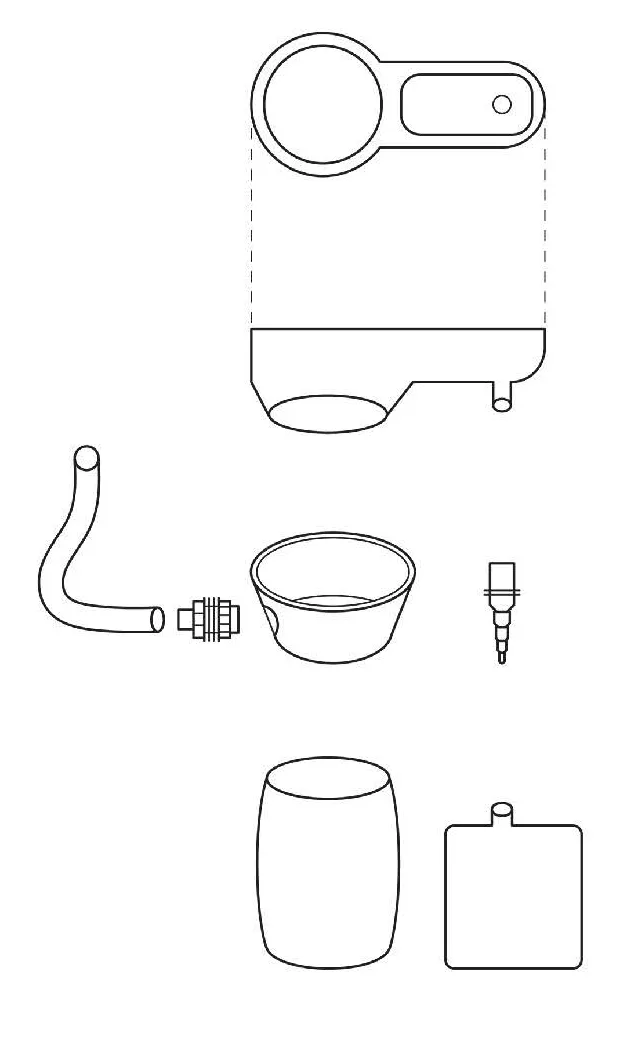
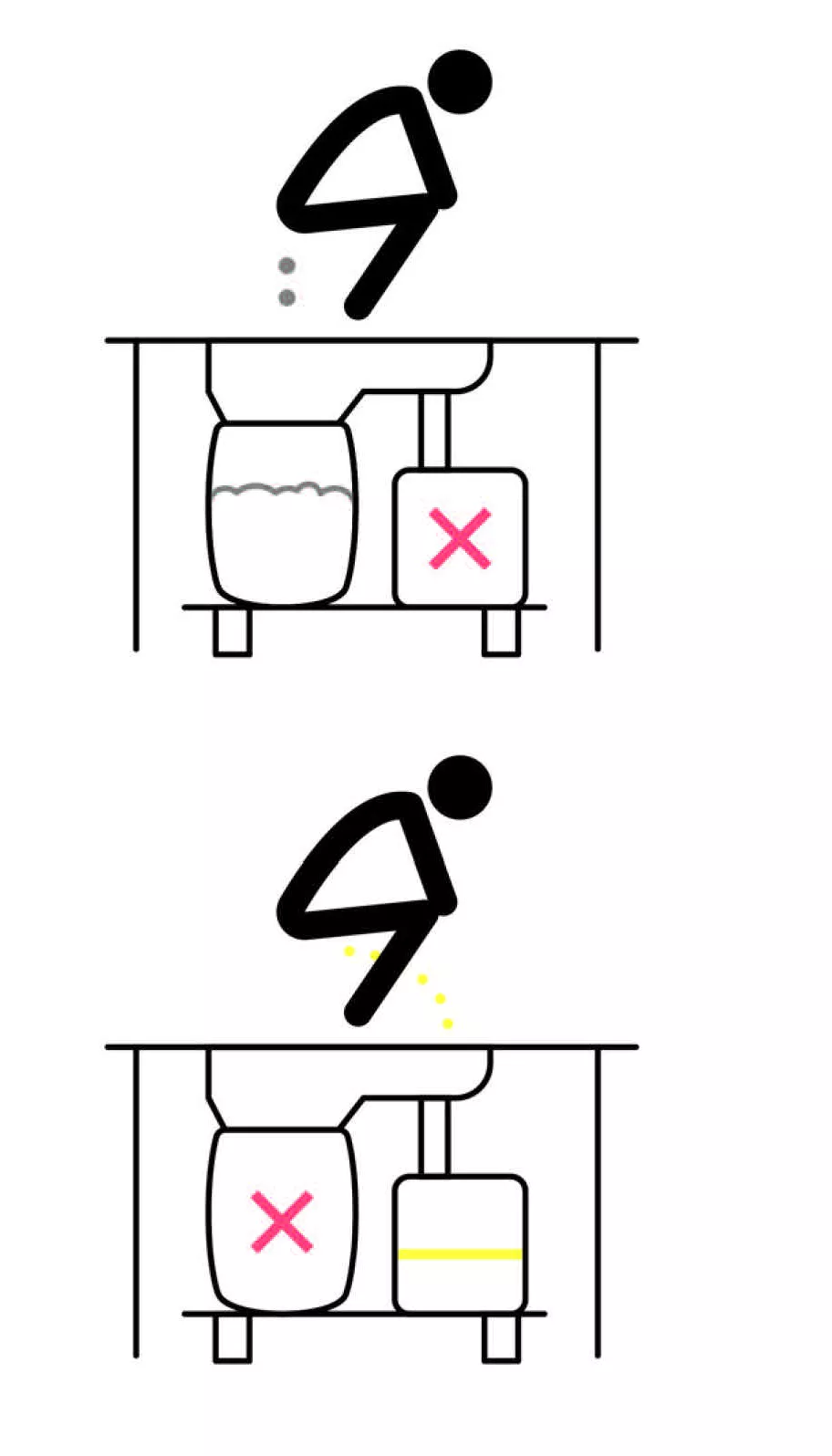
Urine and feces are composted and returned to the soil as fertilizer, either with local farmers or in our own composting plants. In Lagos, the feces go to local farms. In Nairobi, the waste is collected and brought to a farm. In Enugu, the first composting plant, by sanloop in collaboration with FABULOUS URBAN, our implementation partner in Nigeria, and Vuna, environmental engineers from Dübendorf, Switzerland, is ready for operation from December 2, 2026. It composts feces and urine following World Health Organization (WHO) guidelines. The plant will be managed by Olileanya, a local Enugu-based NGO.